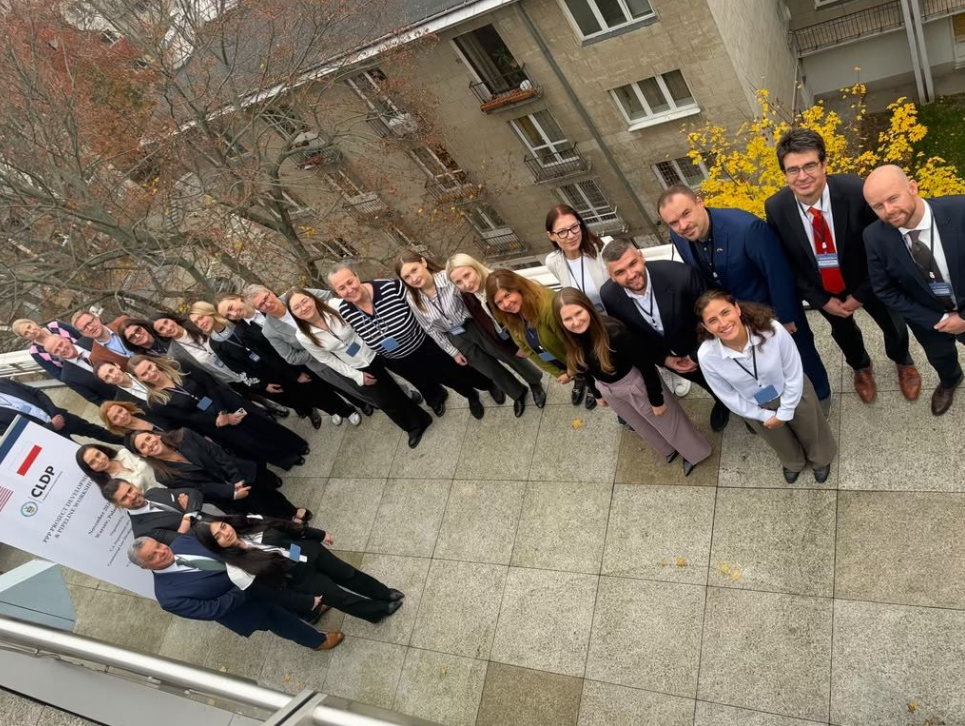
In Warsaw this week, we are continuing the U.S. Department of Commerce’s CLDP workshop series on public procurement and public-private partnerships (PPPs), which has been running for two years. Together with experts from Slovakia, Romania, Lithuania, Estonia and Ukraine, we are exploring how development priorities can become well-prepared, financially viable investments.
This meeting focuses on building a credible pipeline of projects: identifying investment needs, choosing appropriate delivery models, engaging market participants and assessing long-term fiscal commitments. Comparing U.S. and regional experience brings a valuable practical perspective to these discussions.
PPPs can mobilise private capital, technical expertise and operational experience for transport, energy and digital infrastructure. Sound project preparation and clear allocation of responsibilities and risks are essential to achieving lasting public benefits.
Direct EU funding the Magyar Fejlesztésösztönző Iroda Nonprofit Kft. (MFOI Advisory) is in charge of can support this process at different stages. Just to see a few examples the CEF Transport Alternative Fuels Infrastructure Facility (AFIF), for example, combines EU grants with financing from financial institutions to support charging infrastructure. The Innovation Fund can support innovative energy storage and industrial decarbonisation projects, while LIFE Clean Energy Transition can help prepare energy efficiency and renewable energy investments.
These opportunities deserve consideration from the earliest stages of PPP project development. For MFOI, connecting Hungary’s development needs with direct EU funding programmes and private financing opportunities is an important part of helping more projects move from concept to implementation.